Christian Easter: He Is Risen
A Designer’s First Look—Before the Needle Even Moves
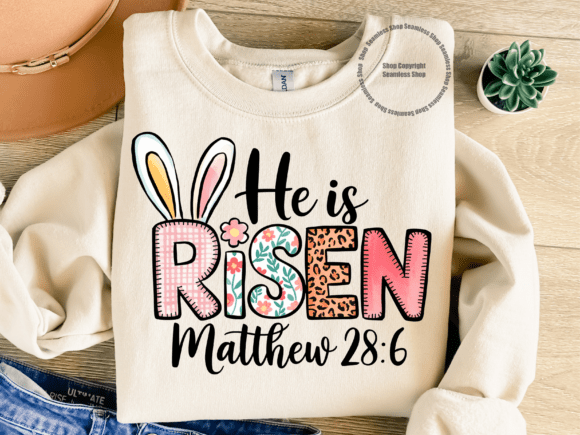
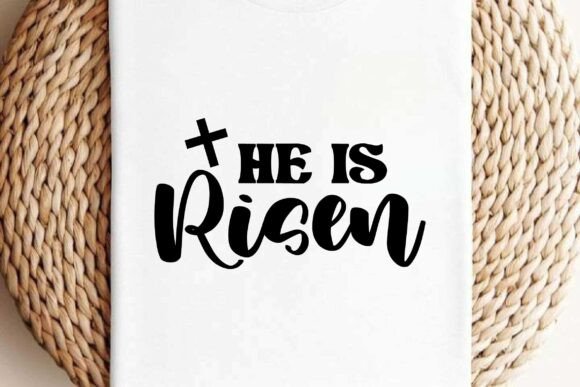
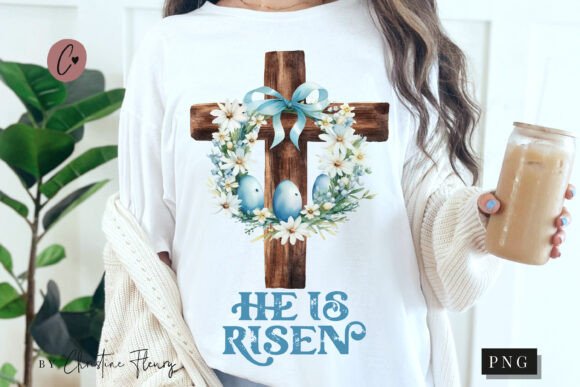
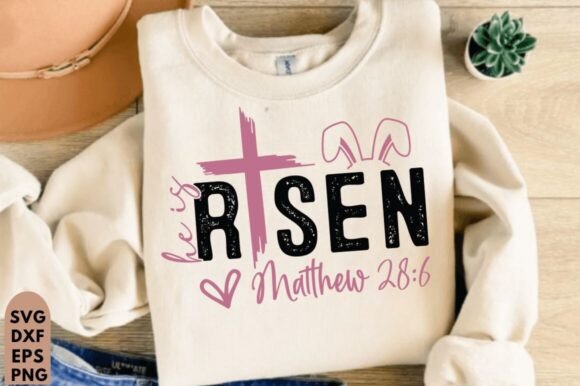
When I opened Christian Easter PNG, SVG He is Risen, I didn’t see just another holiday design—I saw a quiet moment of reverence wrapped in clean lines and intentional spacing. It’s not overly ornate, but it’s not minimal to the point of sterility either. The phrase “He is Risen” sits centered, with subtle cross motifs integrated into the letterforms or framing elements—not tacked on, not hidden, but woven in like a quiet affirmation. That balance matters. For a T-Shirt Designs category, this lands well: legible at glance, meaningful without preaching, and scaled thoughtfully for chest placement or sleeve accents.
Real Project Test: A Linen Tea Towel for a Local Boutique
Last week, I prepped this design for a small-batch run of embroidered linen tea towels—intended for an Easter pop-up at a faith-centered gift shop. Linen’s slubby texture and low stretch made me pause before stitching. I hooped it with medium-weight cutaway stabilizer, chose matte cotton thread in ivory and deep charcoal, and ran a test on scrap first. The result? Crisp satin-stitched letters held their shape, and the cross details (a gentle curve in the “R”, a subtle vertical bar beneath the “n”) read clearly—even at 3.5 inches wide. Customers noticed the restraint: no glitter, no cartoon bunnies, just dignity. That’s where Christian Easter PNG, SVG He is Risen earns its keep—not as background decor, but as a quiet signature piece.
Where It Shines—and Where It Asks for Extra Care
This design excels on stable, medium-weight fabrics: cotton tees, structured tote bags, denim aprons, and baby onesies (when sized down to 2.75"–3"). On sweatshirt fleece, I recommend reducing stitch density slightly in the fill areas and adding tear-away topping—it keeps the lettering from sinking into the nap. For caps or curved surfaces, avoid placing the full phrase across the front crown; instead, use just the cross motif or “Risen” as a side-embroidered accent.
It’s less forgiving on ultra-thin knits or high-stretch performance fabrics without proper stabilization. Tiny serifs or fine interior lines (like the crossbar in the “H”) can blur if hooping tension is uneven or thread tension too loose. And on dark fabric? Double-check that your white or light thread has enough coverage—some versions of this file may rely on underlay stitches that need verifying before production.
Stitch Behavior You’ll Want to Preview
- Satin stitch sections: Smooth and consistent—but confirm they’re not over-dense. Overly tight satin columns can pucker lightweight cotton.
- Fill stitch areas: Moderate density works best for breathability on apparel. Avoid layering heavy fills directly over seams or darts.
- Running stitch outlines: If present, they’re likely used for delicate definition—ideal for applique designs or shadow work, but test visibility on textured weaves like toweling.
More Than Just a File—What It Says About Your Brand
When you choose Christian Easter PNG, SVG He is Risen for a finished product—whether it’s a custom embroidered pillow cover for a church nursery or a limited-run batch of boutique sweatshirts—you’re signaling intentionality. Not just “Easter-themed,” but *thoughtfully Easter*. That nuance builds trust with customers who value authenticity over trend-chasing. Etsy sellers tell me buyers comment specifically on how “calm” and “uncluttered” the design feels—especially next to busier digital embroidery files flooding the market.
For craft business owners, it also supports brand consistency: pair it with neutral packaging, muted thread palettes, and simple mockups, and it reads as cohesive—not pieced together. And because it avoids dated clipart tropes, it stays relevant beyond a single season. I’ve reused this same core layout (with minor sizing tweaks) across tea towels, baby blankets, and even iron-on patches—each time adjusting stabilizer and thread, never the message.
Practical Notes Every Embroidery Designer Should Run Through
- Test on scrap fabric first—especially if using textured, dark, or stretchy material.
- Check thread color contrast in natural light *and* under retail lighting; ivory on oat linen reads differently than on black cotton.
- Review stitch density in your editing software—if it exceeds 12,000 stitches for a 4" version, consider simplifying fill areas for wearability.
- Confirm hoop size compatibility; this design fits comfortably in a 4×4 hoop at standard scale, but verify before batching.
- Inspect small details at 200% zoom: are interior corners sharp? Does the cross integration hold up at 2.5"? If not, resize proportionally—not just width-only.
- Test black-and-white mockups before finalizing listings—many buyers visualize embroidery in monochrome first.
- Compare light/dark fabric backgrounds in your digital preview; some SVG layers may assume white base.
- Use appropriate stabilizer: cutaway for knits, tear-away for stable wovens, topping for napped fabrics.
- Verify licensing before selling finished items or reselling the embroidery file—commercial use rights aren’t automatic with every download.
Final Thought: A Design That Respects the Hand and the Heart
Christian Easter PNG, SVG He is Risen doesn’t shout. It settles. That makes it unusually versatile—for a handmade product meant to be held, gifted, or lived with. Whether you’re embroidering a child’s first Easter onesie, a pastor’s gift apron, or a set of kitchen linens for a church fundraiser, this design carries weight without heaviness. It’s not flashy—but then, resurrection never was.
As a designer who’s stitched hundreds of Easter files over the years, I keep coming back to this one when clarity, reverence, and real-world stitchability matter most. Not because it’s perfect—but because it’s purpose-built, quietly confident, and ready to become part of something real.