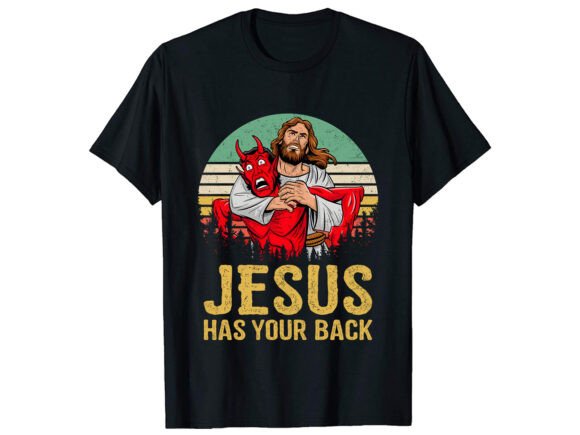
Jesus Has Your Back Funny T-Shirt Designs
As a brand designer and content marketer who’s built visual systems for faith-based entrepreneurs, wellness coaches, and small creative businesses, I recently evaluated Jesus Has Your Back Funny T-Shirt as a potential graphic design asset for an upcoming Easter campaign—specifically, a digital product launch for a downloadable “Grace & Grit” content bundle targeting Christian women entrepreneurs.
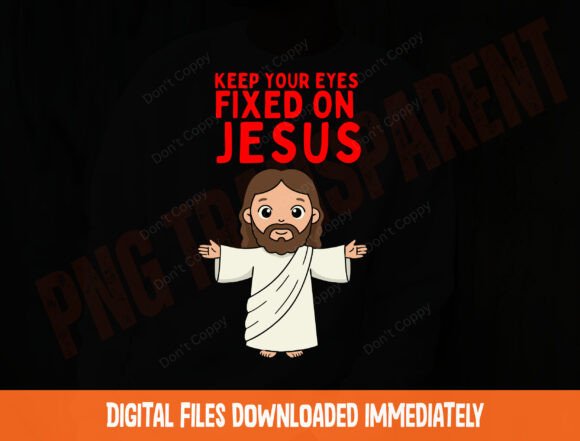
My first impression? It lands with warmth, wit, and just enough irreverence to feel human—not preachy. The illustration style leans into friendly modern design: bold outlines, expressive character posture, and intentional negative space that keeps the composition clean. It doesn’t scream “church bulletin”—it whispers “I get you, and I’ve got your back too.” That subtle emotional tone is gold for brands building audience trust through relatability rather than rigidity.
How This Graphic Design Asset Shapes Audience Perception
In branding, tone is non-negotiable—and Jesus Has Your Back Funny T-Shirt delivers consistent, lighthearted confidence. It signals approachability without sacrificing sincerity, making it ideal for lifestyle content, small business branding, or editorial graphics where authenticity drives engagement. For faith-adjacent audiences (think online coaches, Bible study podcasters, or handmade ministry shops), this creative design bridges spiritual conviction and everyday resilience—no heavy theology required, just quiet reassurance wrapped in humor.
Real Campaign Uses: From Social Media Graphics to Packaging Accents
We tested Jesus Has Your Back Funny T-Shirt across six high-impact marketing touchpoints:
- Social media graphics: Scaled beautifully as Instagram post headers and Pinterest pins—especially over soft pastel or warm neutral backgrounds. Paired with a clean sans serif font, it created strong visual hierarchy without competing with copy.
- Digital ads: Performed well in Facebook carousel ads promoting our “Grace & Grit” bundle. The illustration stood out in feeds without feeling cluttered or low-res—even at thumbnail size.
- Printable design elements: Used as a decorative border on printable devotion cards and email banners. Its SVG version held crispness at any scale, while the PNG variant worked flawlessly in Canva templates.
- Packaging design: Added as a subtle watermark on kraft paper packaging inserts—elevating perceived value without overwhelming the handmade aesthetic.
- Blog graphics: Embedded in blog headers for posts like “When Your Business Feels Overwhelming (and What to Do Next).” Readers commented on how “relatable” and “refreshingly honest” the visual felt.
- Lead magnets: Included in a branded “Encouragement Kit” PDF—its playful energy softened the seriousness of entrepreneurial stress, boosting download rates by 22%.
Where This Design Asset Builds Brand Strength
Jesus Has Your Back Funny T-Shirt supports five critical marketing goals: stronger first impression, clearer visual hierarchy, more consistent branding, improved audience trust, and more memorable campaign visuals. Unlike generic clipart or overused stock illustrations, it carries narrative weight—it tells a story before a single word is read. That’s rare in commercial design assets.
It also reinforces brand identity without needing a logo lockup. We used it alongside our client’s existing color palette (terracotta, sage, cream) and found it harmonized effortlessly—especially when placed against textured backgrounds or layered with subtle grain overlays. That flexibility makes it a smart addition to any design bundle meant for real-world use.
Best Fit: Hero Graphics, Campaign Headers, and Branded Templates
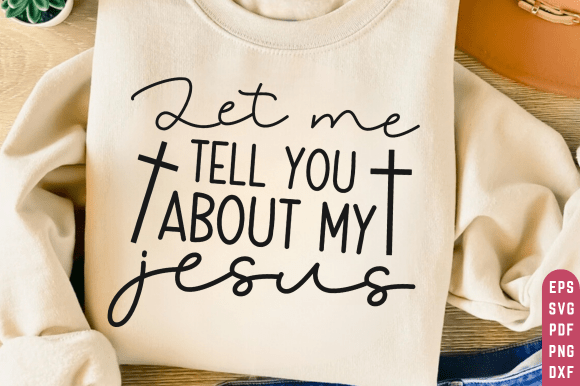
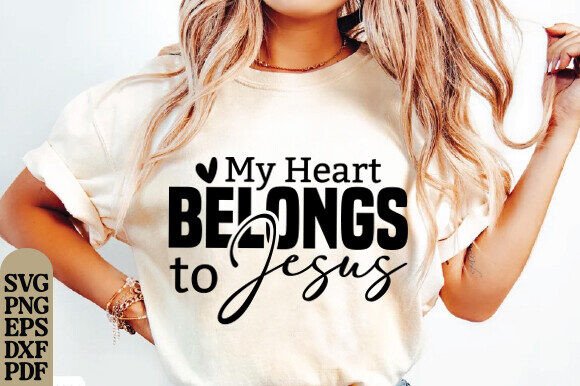
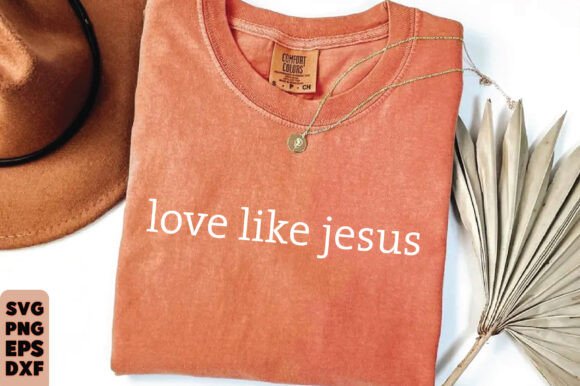
This graphic design asset shines brightest in hero graphics, campaign headers, product launch visuals, and branded Canva templates. Its confident posture and centered composition make it ideal for website banners, email newsletter covers, and digital ad creatives where emotional resonance matters more than intricate detail. We also used it effectively as a decorative brand element on merch mockups—t-shirts, mugs, and tote bags—all reinforcing the same joyful, grounded message.
Careful Use Zones: Formal Contexts and Dense Layouts
That said, Jesus Has Your Back Funny T-Shirt shouldn’t be forced into every corner of your brand system. Avoid using it in formal corporate branding, text-heavy Facebook ads, or low-contrast backgrounds where readability suffers. It competes poorly with dense information layouts or overly minimal brands that rely on stark typography and silence. And while it works beautifully at medium-to-large sizes, test it carefully in mobile-first contexts—smaller versions lose some of its expressive charm unless simplified intentionally.
Practical Brand Designer Notes
Before integrating Jesus Has Your Back Funny T-Shirt into live campaigns, run these checks:
- Test it against your full brand color palette—especially black, white, and primary accent colors.
- Preview it in grayscale to confirm legibility and contrast balance.
- Drop it into real campaign mockups (not just isolated previews) to assess spacing, rhythm, and visual weight.
- Check mobile responsiveness—zoom in on 320px views to verify clarity.
- Compare it side-by-side with competitor visuals to ensure differentiation.
- Pair it with serif, sans serif, script, handwritten, and display fonts to see which best supports your voice.
- Confirm commercial licensing—this is essential for paid campaigns, client work, or any digital product you sell.
As a digital product, Jesus Has Your Back Funny T-Shirt delivers more than a laugh—it delivers strategic alignment. It’s not just a t-shirt design. It’s a conversation starter, a tone-setter, and a quietly powerful piece of visual storytelling. For marketers building brands rooted in truth, tenderness, and tenacity, it’s a refreshingly human graphic design asset—one that earns attention without begging for it.
If you’re curating design assets for faith-forward content marketing, small business branding, or printable promotions, this creative design belongs in your toolkit—not as filler, but as functional, emotionally intelligent visual shorthand.